Everyday uses make the power believable
Karaoke, food, grades, and awkward conversations are exactly the temptations a teenager would test first.
MovieLinks Film Guide
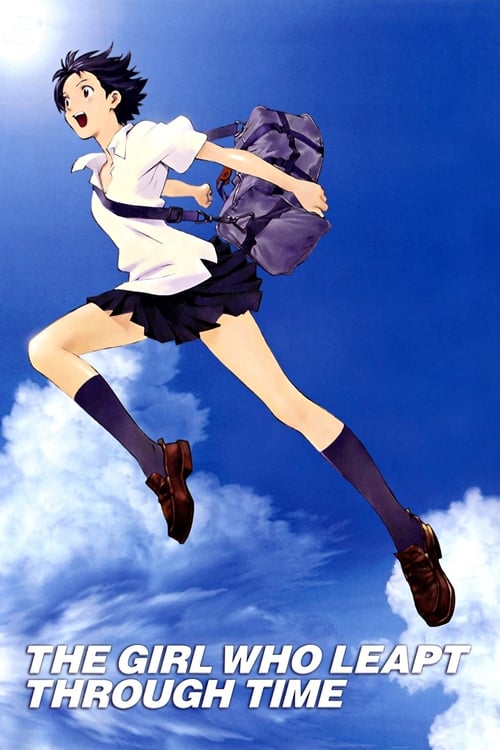

Teenager Makoto discovers she can jump backward through time and uses the ability for everyday fixes until her changes endanger the friends she loves.
The Girl Who Leapt Through Time follows Makoto Konno after she gains a limited number of jumps into the past and repeatedly rewrites ordinary moments without seeing how each correction transfers consequences to someone else.
The film makes time travel emotionally precise by giving Makoto small, relatable reasons to misuse it before revealing the lives displaced by her convenience.
Makoto's early leaps are appealing because they solve ordinary teenage frustrations. The film lets that freedom feel joyful before introducing the accounting behind it.
Her avoidance of Chiaki's confession connects the science-fiction device to emotional immaturity. Time travel becomes a way to postpone change rather than confront it.
The limited counter gives later choices urgency, while the faulty bicycle demonstrates that danger removed from one moment can reappear elsewhere.
Chiaki's painting gives their separation a future-facing purpose. Makoto cannot follow him immediately, but she can help preserve the thing that made him travel into her time.
Makoto can avoid an answer, an accident, or an embarrassing moment—but the timeline never stops asking someone to live through the result.
Karaoke, food, grades, and awkward conversations are exactly the temptations a teenager would test first.
Makoto's resets physically express her refusal to answer how the friendship is changing.
The bicycle incident reveals that solving a problem for oneself can transfer it to another person.
A promise to protect the painting converts loss into a concrete responsibility across time.
Mamoru Hosoda's time-travel story begins with consequence-free teenage convenience, then reveals that every avoided moment is inherited by someone else.
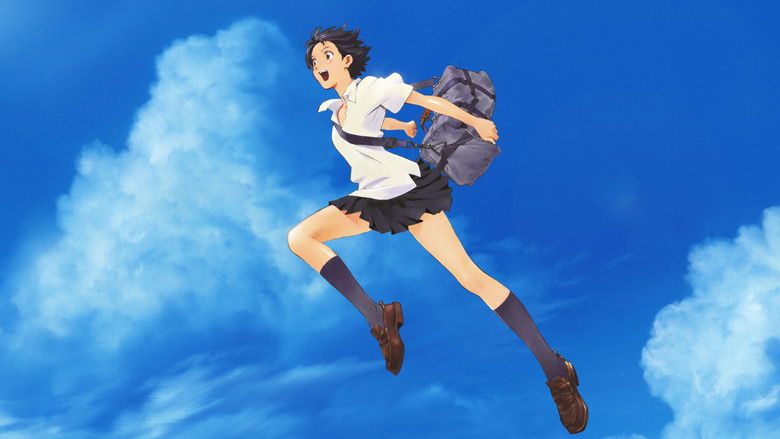
Makoto expects a fatal collision after her brakes fail, but wakes earlier in the day and begins investigating how she moved backward through time.
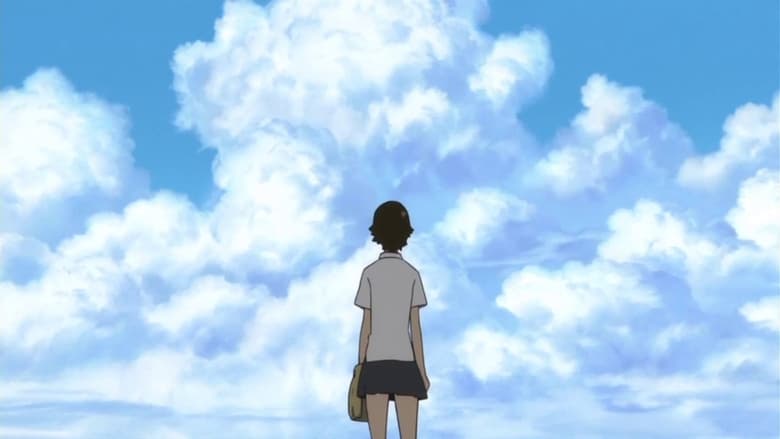
She repeats meals and karaoke, improves school results, and escapes awkward situations, treating the past as an unlimited editing tool.
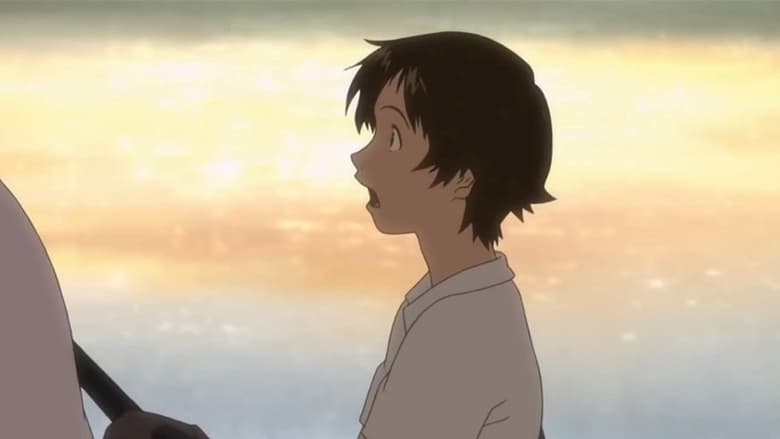
Rather than respond to his feelings, Makoto keeps resetting the conversation, preserving the friendship only by refusing to let it develop honestly.
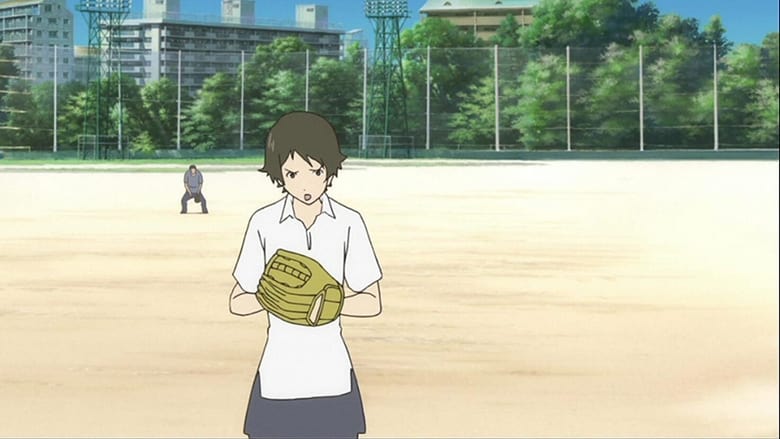
A mark on Makoto's arm counts remaining leaps, but she understands the limit only after spending most of them on temporary conveniences.
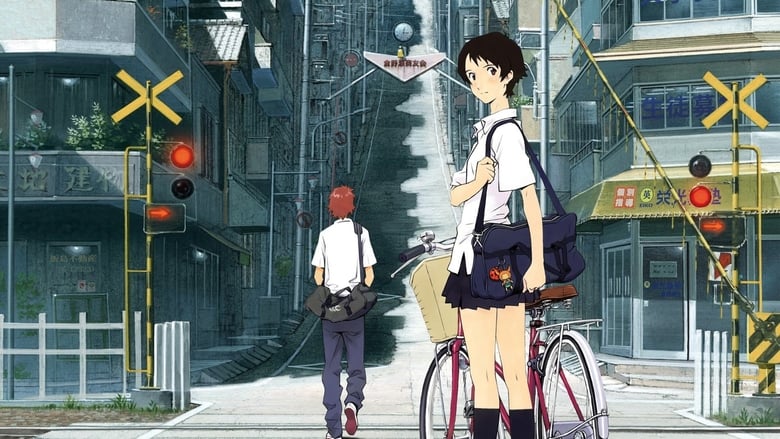
Changes to the day place Kousuke and Kaho in the danger Makoto originally escaped, forcing the consequences back into view.
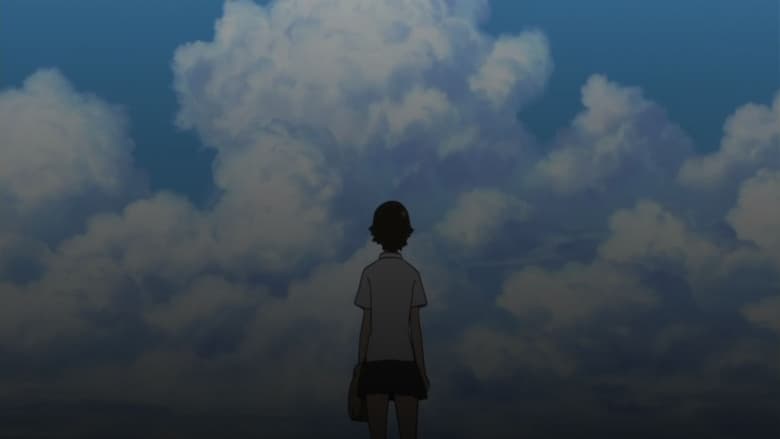
His identity and purpose connect the time device to a future where a restored artwork no longer exists, giving Makoto a promise she can carry forward.
Main characters and performers
Theatrical runtime: 98 minutes.
Released Jul 2006.
Genres: Fantasy, Animation, Drama, Science Fiction.
Studios / networks: Madhouse, Happinet Pictures, KADOKAWA.
TMDB user score: 7.8/10.
Rotten Tomatoes Popcornmeter: 87%.
Find streaming options, trailers, and related titles on MovieLinks.
Open on MovieLinks
More anime films to explore
A teenager gains a limited ability to jump into the past and uses it for everyday fixes until her altered choices put friends in danger.
Makoto gains the ability after contact with a time-travel device and usually activates it through a running jump or fall.
Chiaki Mamiya is Makoto's friend and a traveler from the future who came to see a particular restored painting.
Mamoru Hosoda directed the film.
The listed runtime is 1 hour 38 minutes.
Availability varies by country. Use MovieLinks to compare current legal streaming options, dubs, and subtitles.