Growth through ordinary courage
Chihiro becomes capable by completing difficult tasks and helping others, not by discovering that she is secretly powerful.
MovieLinks Film Guide
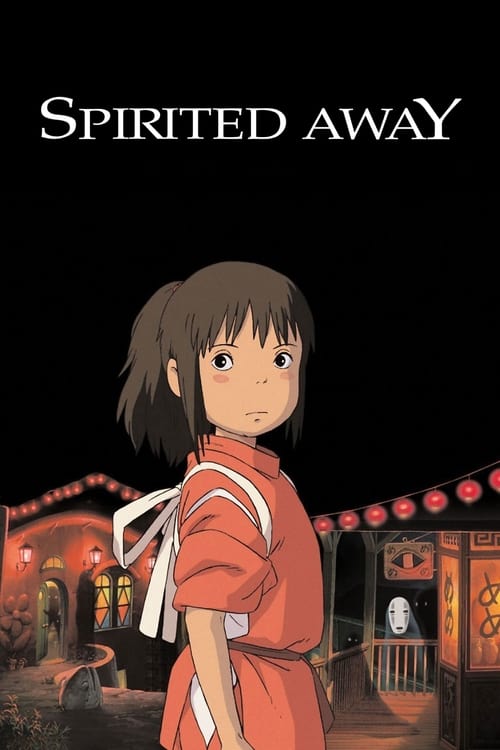

Ten-year-old Chihiro enters a spirit bathhouse, loses her name to the witch Yubaba, and must work to free her parents from a curse.
Spirited Away follows ten-year-old Chihiro after her parents are transformed into pigs and she signs away her name to work in Yubaba's bathhouse while searching for a path back to the human world.
Spirited Away makes growing up feel strange and practical at once: Chihiro survives not through inherited power but by working, remembering, and refusing greed.
Chihiro begins frightened, resistant to the move, and dependent on her parents. The spirit world removes that protection immediately and requires her to act despite fear.
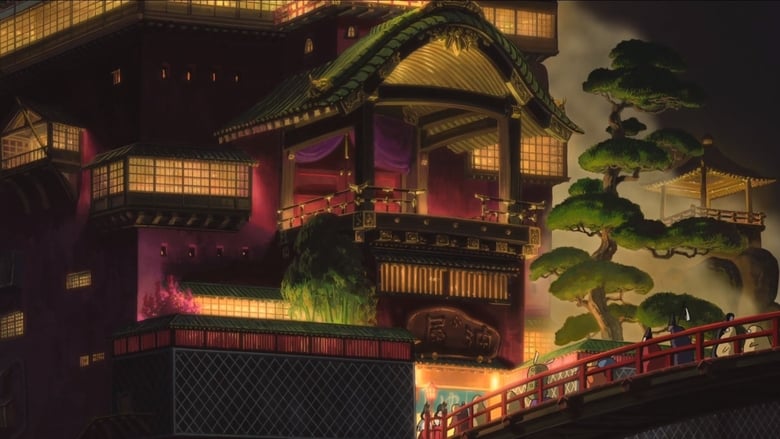
The bathhouse functions as both fantasy setting and workplace. Rules, contracts, labor, tips, status, and exploitation shape the behavior of humans and spirits alike.
No-Face reflects the environment around him. Inside the bathhouse he consumes greed and attention; away from it, he becomes quiet and capable of companionship.
The film's resolution depends on perception rather than combat. Chihiro recognizes the river spirit beneath pollution, Haku beneath Yubaba's control, and the absence of her parents in the final group of pigs.
Yubaba can shorten Chihiro's name, but she cannot erase the relationships and memories that teach Chihiro who she is.
Chihiro becomes capable by completing difficult tasks and helping others, not by discovering that she is secretly powerful.
The bathhouse feels alive because every magical figure also has work, appetite, status, and obligation.
Chihiro and Haku's survival depends on remembering what Yubaba's contracts encourage them to forget.
The polluted river and forgotten development show how human behavior reshapes the spirits tied to a place.
Spirited Away transforms Chihiro's fear of change into work, memory, and moral choices inside a bathhouse where losing one's name means losing the route home.
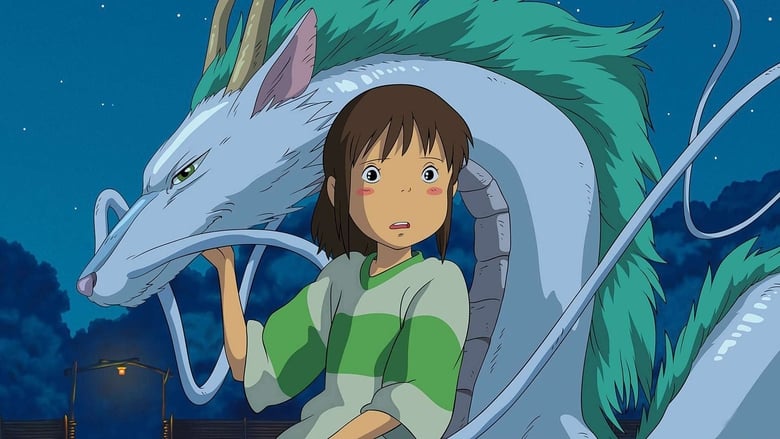
Chihiro's parents ignore her unease, cross into an apparently empty town, and eat unattended food until night exposes the cost of their entitlement.
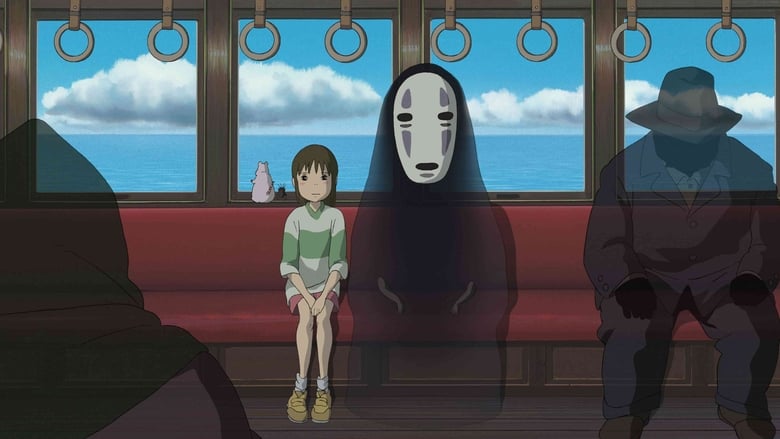
To survive, Chihiro demands work from the bathhouse owner and signs a contract that reduces her name to Sen, making memory an essential form of resistance.

Lin and boiler operator Kamaji help Chihiro navigate exhausting labor, suspicious coworkers, and guests whose appearances do not reveal their true nature.
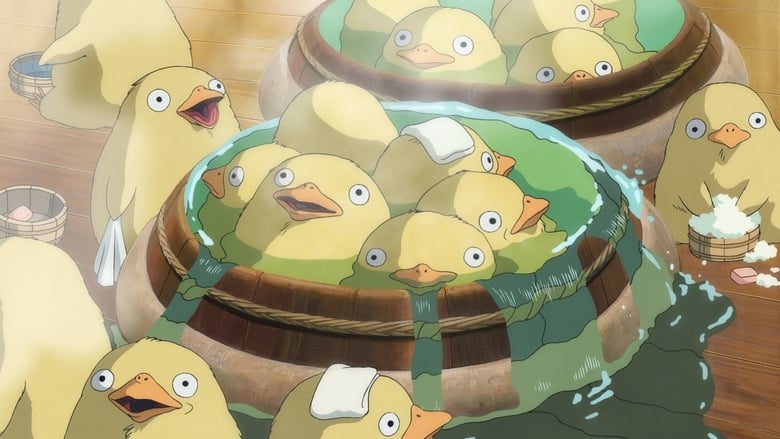
A guest dismissed as a stink spirit proves to be a river clogged with human waste, and Chihiro's determination helps the workers pull the pollution free.

After Chihiro welcomes him inside, No-Face absorbs the bathhouse's greed, offering gold and devouring workers until she refuses what everyone else wants.
Chihiro realizes Haku once saved her as a river spirit, and speaking his true name breaks Yubaba's control over his forgotten identity.
Main characters and performers
Theatrical runtime: 125 minutes.
Released Jul 2001.
Genres: Animation, Family, Fantasy.
Studios / networks: Studio Ghibli, Tokuma Shoten, Nippon Television Network Corporation.
TMDB user score: 8.5/10.
Rotten Tomatoes Popcornmeter: 96%.
Find streaming options, trailers, and related titles on MovieLinks.
Open on MovieLinks
More anime films to explore
A ten-year-old girl must work in a spirit bathhouse and preserve her identity after her parents are turned into pigs and a witch takes away her name.
Haku is the spirit of the Kohaku River, who once saved Chihiro and has forgotten his identity while serving Yubaba.
Yubaba removes characters from Chihiro's written name as part of her work contract; the remaining character is read as Sen.
Hayao Miyazaki wrote and directed the Studio Ghibli film.
The listed runtime is 2 hours 5 minutes.
Availability varies by country. Use MovieLinks to compare current legal streaming options, dubs, and subtitles.