Conflict without a simple villain
Human dignity, industrial survival, ecological loss, and animal resistance all remain visible at once.
MovieLinks Film Guide
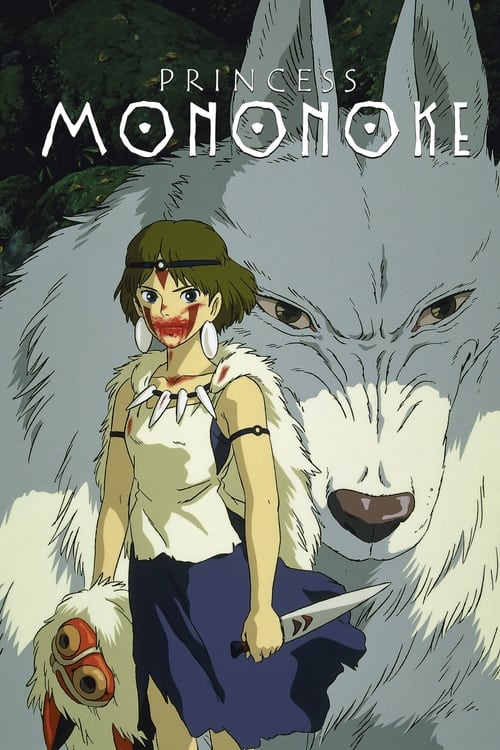

Cursed prince Ashitaka travels west and enters a war between Lady Eboshi's iron settlement and the forest gods defended by the wolf-raised San.
Princess Mononoke follows Ashitaka, an Emishi prince cursed by a demonized boar god, as he searches for a cure and becomes caught between Iron Town and the gods defending the surrounding forest.
Princess Mononoke remains powerful because nearly every act of protection also creates harm, making coexistence harder than defeating one villain.
The curse makes hatred physically visible. It grants Ashitaka frightening power while warning that violence reshapes the person who carries it, even when used defensively.
Lady Eboshi and San embody opposing loyalties without becoming moral abstractions. Eboshi's settlement destroys habitat while sheltering vulnerable people; San protects the forest while rejecting her own humanity.
The gods are ancient and magnificent, but not uniformly wise or gentle. Fear, pride, and desperation affect the boars and wolves just as they affect human communities.
The ending restores life without resetting the world. The old forest does not simply return, Iron Town must be rebuilt differently, and Ashitaka and San choose connection without abandoning their separate homes.
Ashitaka's instruction to see with eyes unclouded by hate does not erase conflict; it lets him recognize the lives hidden inside each side's certainty.
Human dignity, industrial survival, ecological loss, and animal resistance all remain visible at once.
Ashitaka's arm turns anger into both power and a mortal danger he must understand.
The forest feels alive through insects, kodama, animal gods, silence, decay, and sudden violence.
The conclusion allows renewal while acknowledging that destruction permanently changes the land and its communities.
Miyazaki's historical fantasy refuses a simple battle between good nature and evil industry, giving Ashitaka the harder task of recognizing life on every side.
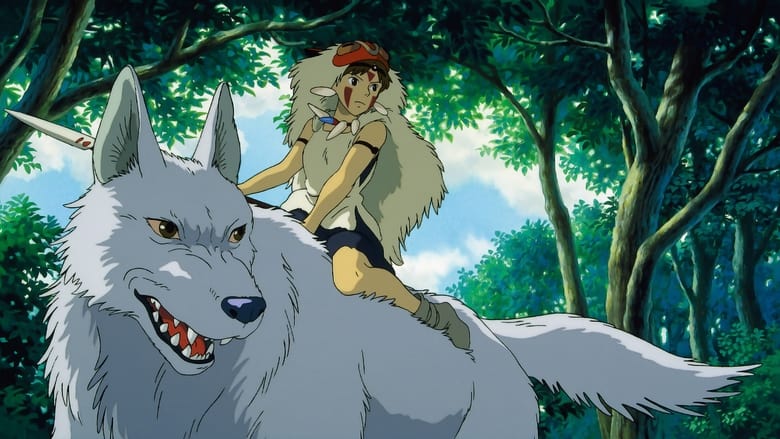
Ashitaka protects his village from a demonized boar god, but the wound on his arm carries the same hatred that transformed Nago.
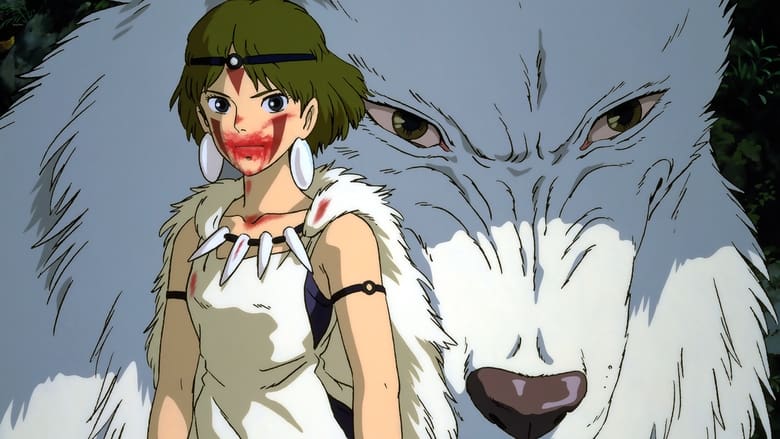
Eboshi clears forest to mine iron, yet she also provides work and dignity to people rejected elsewhere, including former sex workers and lepers.
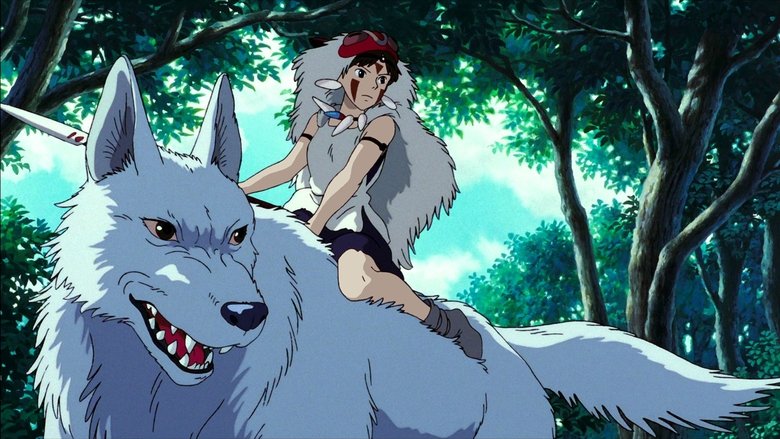
Raised by Moro's wolves, San rejects human society and repeatedly risks her life to stop Iron Town from expanding.
Ashitaka values the forest without denying Iron Town's people, attempting to protect San and Eboshi even when neither accepts compromise.
Okkoto leads the remaining boars into battle despite the trap awaiting them, and human hunters use the suffering to approach the Forest Spirit.

Eboshi decapitates the Forest Spirit for Jigo, releasing a destructive night form that spreads across the land until Ashitaka and San return what was taken.
Main characters and performers
Theatrical runtime: 134 minutes.
Released Jul 1997.
Genres: Adventure, Fantasy, Animation.
Studios / networks: Studio Ghibli, dentsu, Tokuma Shoten.
TMDB user score: 8.3/10.
Rotten Tomatoes Popcornmeter: 93%.
Find streaming options, trailers, and related titles on MovieLinks.
Open on MovieLinks
More anime films to explore
A cursed prince becomes caught between an iron-producing settlement and the forest gods fighting to protect their home from human expansion.
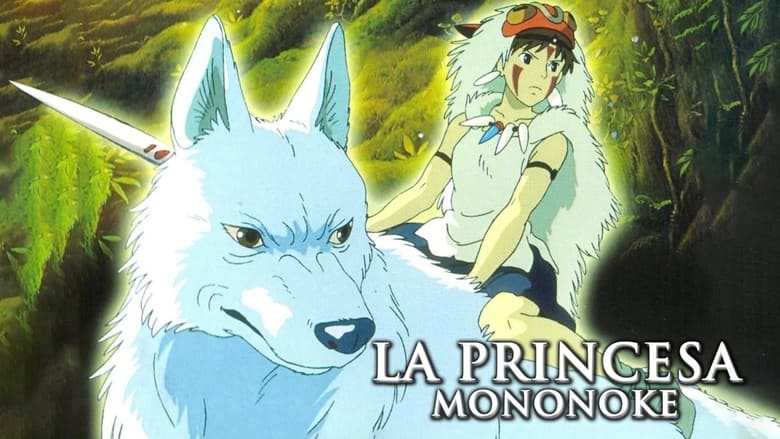
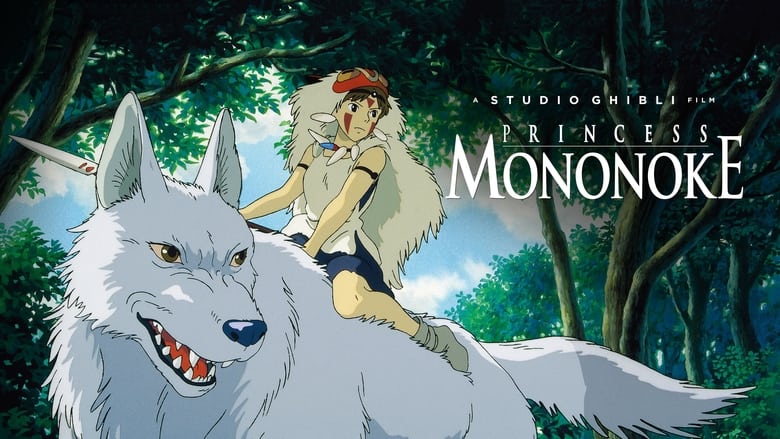
The name refers to San, a human girl raised by the wolf goddess Moro who fights alongside the forest animals.
She drives the destruction of the forest, but the film also shows her protecting marginalized workers; she is intentionally more complex than a simple villain.
Hayao Miyazaki wrote and directed the Studio Ghibli film.
The listed runtime is 2 hours 14 minutes.
Availability varies by country. Use MovieLinks to compare current legal streaming options, dubs, and subtitles.