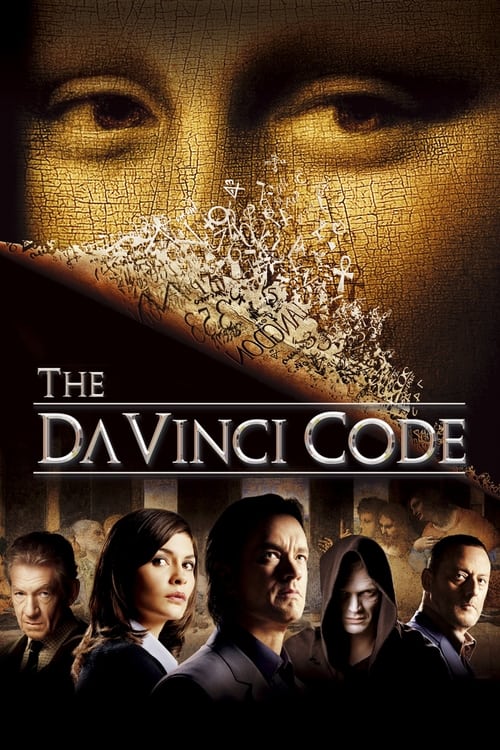
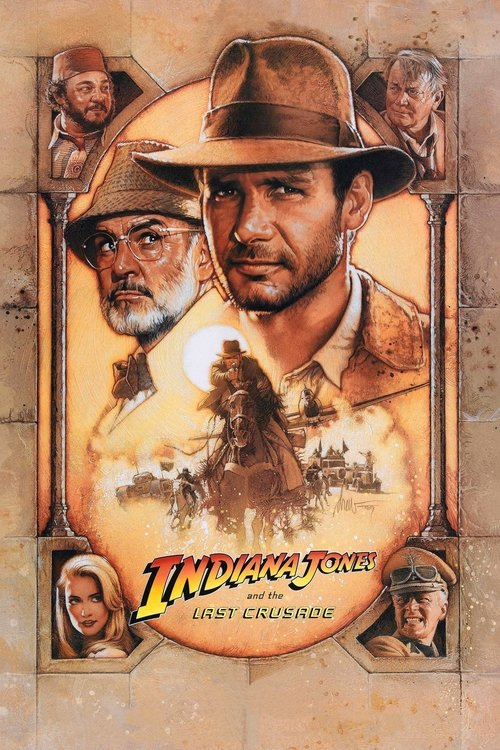
It predated the Da Vinci Code craze
Released December 2004 — a year and a half before the Hollywood film — yet dismissed as a copycat by audiences who arrived late.
MovieLinks Film Guide
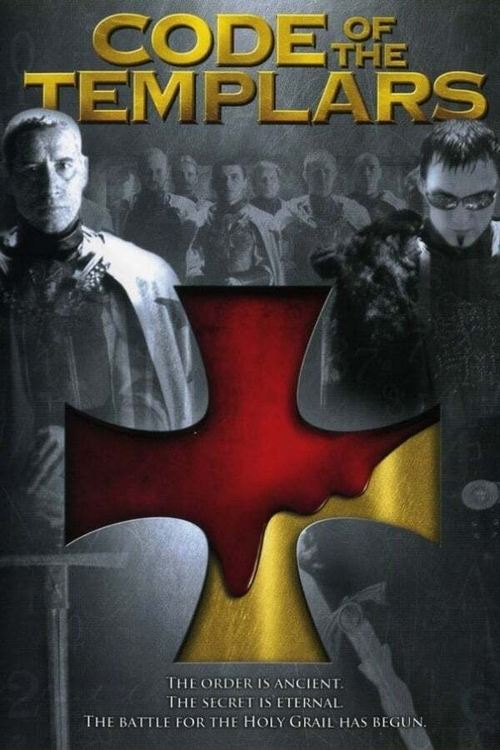
Das Blut der Templer

A German Holy Grail adventure — before The Da Vinci Code hit the screen
Blood of the Templars is a 2004 German fantasy-adventure miniseries that mixes modern thriller pacing with medieval Templar lore and Holy Grail mythology. Produced as ProSieben's ambitious two-night television event, it follows a rebellious 18-year-old who discovers he is far more than an ordinary boarding-school student — and that two ancient secret orders have been waiting for him his entire life.
A 5.5 rating and a handful of votes hide one of the boldest things German television attempted in the 2000s. Here is why the film deserves a second look.
Blood of the Templars had the worst possible timing and the wrong label. It premiered on German TV in December 2004, eighteen months before Ron Howard's The Da Vinci Code reached cinemas. Audiences who caught it later assumed it was a cheap cash-in on Dan Brown, when in fact it beat the Hollywood adaptation to the screen and drew on the same centuries-old Grail and Priory of Sion mythology from an independent source — Wolfgang Hohlbein's German fantasy novel.
Then there is the 'made-for-TV' stigma. Because it aired as a two-night event rather than opening in theaters, it was quietly filed under disposable television and never got the international theatrical push that shapes a film's reputation. Its low TMDB score rests on a tiny pool of votes — a statistical footnote, not a verdict — so the number tells you how few people have seen it, not how good it is.
Watch it on its own terms and the ambition is obvious. This was one of ProSieben's most expensive in-house productions ever: 63 shooting days in Lithuania, a stunt crew fresh off Gladiator, King Arthur and Troy, 45 hand-forged swords, and real medieval locations like Trakai Island Castle standing in for Templar strongholds. That is feature-film money and craft spent on a story most viewers wrote off from the title alone.
It out-Da-Vinci'd The Da Vinci Code by a year and a half — and almost nobody outside Germany noticed.
Released December 2004 — a year and a half before the Hollywood film — yet dismissed as a copycat by audiences who arrived late.
A two-night broadcast event never gets the theatrical reputation-building that cinema releases enjoy, so it slipped through the cracks.
One of ProSieben's priciest productions: 63 days in Lithuania, a Gladiator-trained stunt team, 45 forged swords and genuine castle locations.
The 5.5 score comes from a tiny sample. It reflects obscurity, not quality — exactly the kind of film that rewards a rediscovery.
The Holy Grail hunt unfolds in three acts

David seems like an ordinary boarding-school student until a party fight reveals superhuman strength and wounds that heal in minutes. Father Quentin, the monk who raised him, realizes the secret orders have found their chosen one — and the hunt for David begins.

Robert von Metz, Grand Master of the Knights Templar, and Lucrezia de Saintclair, leader of the breakaway Priory of Sion, both claim David as the key to the Holy Grail. He learns they are his parents — born from a forbidden union between ancient enemies — and that both brotherhoods have hunted him since birth.

The chase sweeps across Europe with sword fights, car chases, Vatican catacombs, and betrayals on both sides. David must choose which legacy to carry as the final confrontation leads underground to the resting place of the Holy Grail itself.
Main characters and performers
One of ProSieben's most expensive in-house productions — filmed over 63 days in Lithuania with 19 interior sets and 16 additional studio builds.
Locations included Vilnius University and Trakai Island Castle, transformed into medieval Templar strongholds.
The stunt team had previously worked on Gladiator, King Arthur, and Troy; 45 swords were forged for the production.
Director Florian Baxmeyer was Oscar-nominated for his short film work before making this miniseries.
Based on Wolfgang Hohlbein's novel; a sequel book (Die Nacht des Sterns) followed in 2005.
Oliver Masucci, who plays Ares de Saintclair, later starred in Look Who's Back (Er ist wieder da).
Find streaming options, trailers, and related titles on MovieLinks.
Open on MovieLinks
More Holy Grail adventures to explore
No. It is fiction inspired by Templar legends, Priory of Sion conspiracy theories, and Wolfgang Hohlbein's novel — not documented history.
Not officially. Both draw on Grail, Templar, and Priory mythology. Blood of the Templars aired in December 2004 — around the same time Dan Brown's story was becoming a global phenomenon.
Originally a two-part TV miniseries (December 9–10, 2004 on ProSieben). It was also edited into a single ~180-minute TV movie for DVD and international release.
About 180 minutes total across two episodes.
German (Das Blut der Templer). Some territories received dubbed versions under titles like Code of the Templars or Le Sang des Templiers.
Florian Baxmeyer, an Oscar-nominated short-film director. This was one of ProSieben's most expensive in-house productions at the time.
Availability varies by region. Check official provider listings for current options, and use MovieLinks for trailers and related titles.