A record-breaking Swedish epic
With a combined budget of around SEK 210 million for both films, it remains one of the largest productions in Scandinavian cinema.
MovieLinks Film Guide
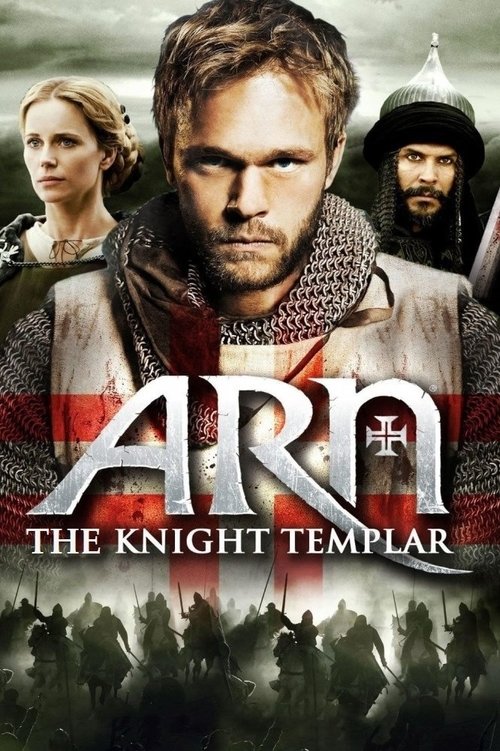
Arn: Tempelriddaren

Sweden's epic Crusades romance — from monastery to the Holy Land
Arn: The Knight Templar is a 2007 Swedish epic based on Jan Guillou's bestselling novels about the fictional knight Arn Magnusson. Raised in a monastery after a forbidden romance, Arn is sent to the Holy Land as a Templar to atone for his sins — while his beloved Cecilia waits in a convent back in Sweden. It became the most expensive production in Swedish cinema history and one of the country's biggest domestic box-office hits.
Outside Scandinavia, Arn is often treated as a regional curiosity. Inside Sweden, it was a cultural event — and the scale of the production still holds up.
Arn: The Knight Templar arrived in Swedish cinemas in December 2007 as more than a movie — it was a national event. Based on Jan Guillou's phenomenally popular book trilogy, the project carried the weight of beloved source material and a budget that made it the most expensive production in Swedish film history.
International audiences sometimes encounter Arn only through the edited English-language DVD cut that combined both Swedish films into one release, which can make the pacing feel uneven. The original theatrical version, watched as intended, offers a clearer sweep: a love story measured in decades, a hero trained in both faith and war, and a portrait of medieval Sweden that rarely reaches global screens.
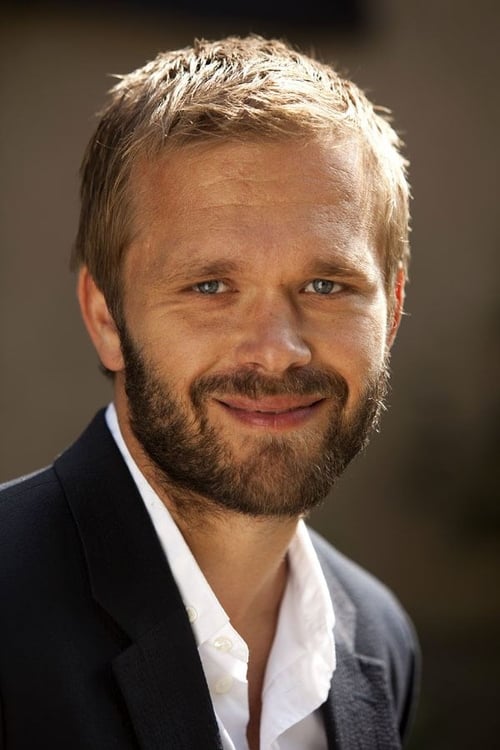
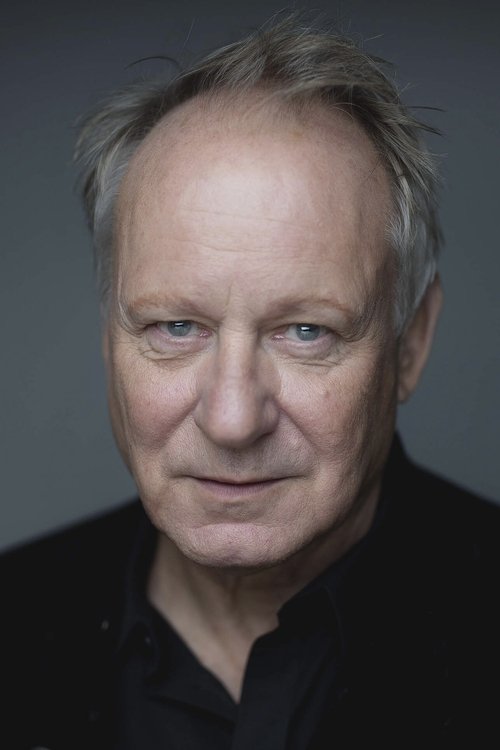
The cast helps enormously. Joakim Nätterqvist carries Arn with quiet conviction, Sofia Helin makes Cecilia's long wait feel painfully real, and Stellan Skarsgård anchors the political storyline with his usual authority. For viewers who want Crusades-era drama beyond Hollywood's usual offerings, Arn is one of the most ambitious alternatives ever mounted in Northern Europe.
The most expensive Swedish film ever made — a Crusades epic that treats romance, politics, and battlefield honour with equal seriousness.
With a combined budget of around SEK 210 million for both films, it remains one of the largest productions in Scandinavian cinema.
Jan Guillou's Arn trilogy was a publishing phenomenon in Sweden — the film adaptation carried enormous cultural expectations and largely met them domestically.
The Holy Land battles matter, but the emotional engine is Arn and Cecilia's separation — a love story stretched across twenty years.
Nätterqvist, Helin, and Skarsgård lead a roster that helped make the film a defining role for several Swedish stars.
From Swedish monastery to the battlefields of the Crusades
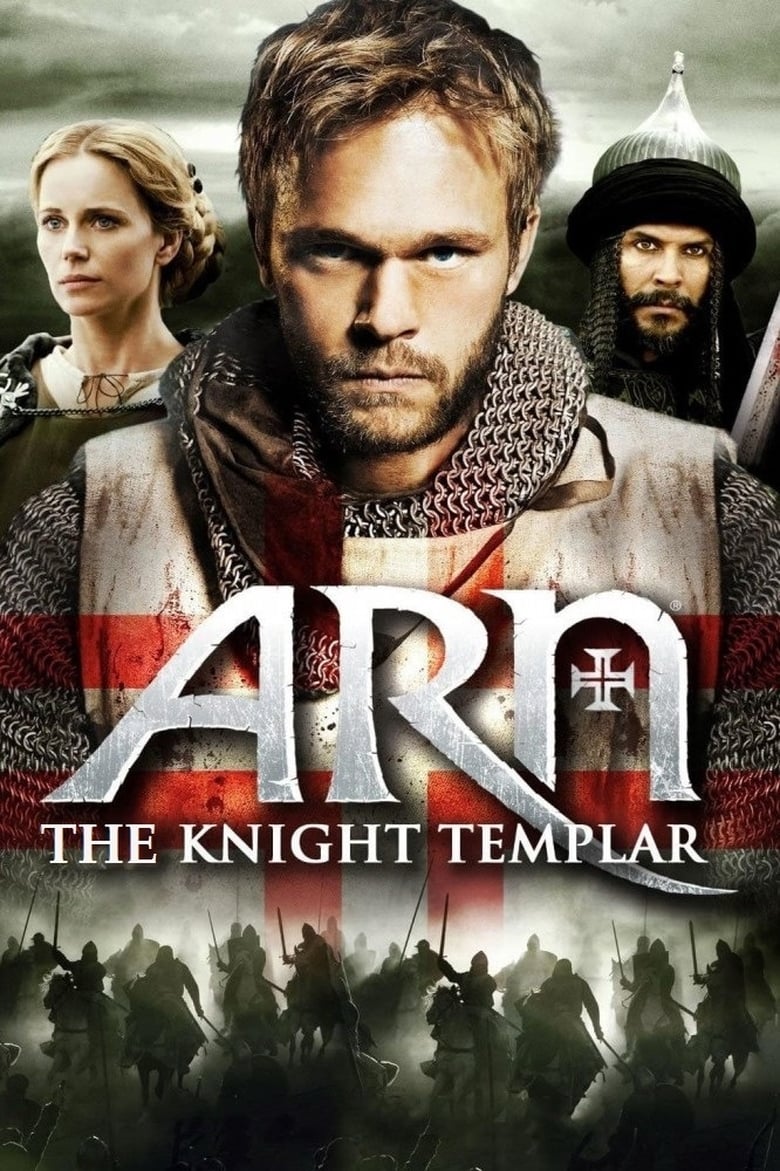
Arn and Cecilia's romance defies the church and the crown. Their punishment sets the saga in motion — twenty years apart, with Arn training as a monk and Cecilia imprisoned in a convent while Sweden's political future hangs in the balance.

Sent to Palestine as penance, Arn becomes one of the most respected knights in the order. Battle sequences and diplomatic encounters with Muslim leaders place the film firmly in the tradition of large-scale historical epics.

While Arn fights abroad, Stellan Skarsgård's Birger Brosa and the Swedish royal court maneuver for control at home. The split narrative keeps the love story alive across years of war and waiting.
Main characters and performers
Released in Swedish cinemas on December 17, 2007, and became one of the highest-grossing films in Swedish box-office history.
The combined budget for this film and its sequel was around SEK 210 million — the most expensive production in Swedish cinema at the time.
Based on the first two volumes of Jan Guillou's Arn trilogy, which sold millions of copies in Scandinavia.
An English-language DVD release later combined both Swedish films into a single edited feature for international markets.
Filmed as a co-production between Sweden, Denmark, Norway, Finland, and Germany.
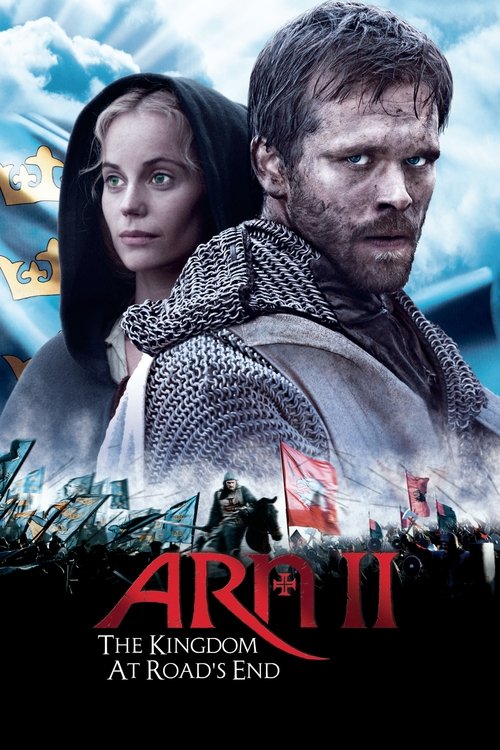
The sequel Arn: The Kingdom at Road's End followed in August 2008.
Find streaming options, trailers, and related titles on MovieLinks.
Open on MovieLinks
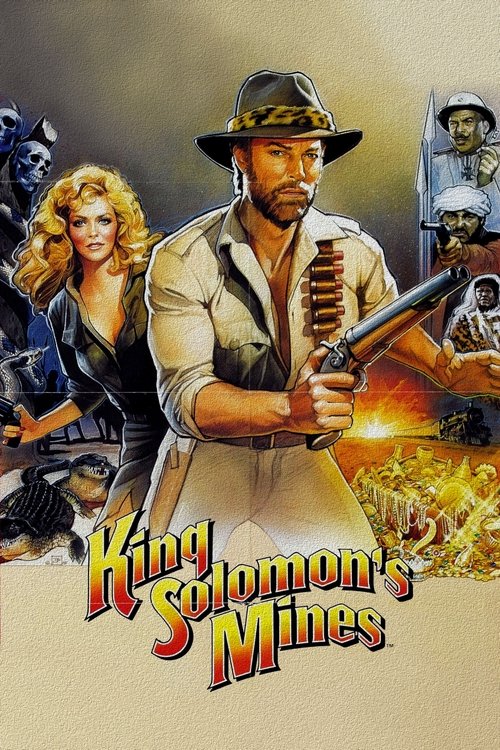
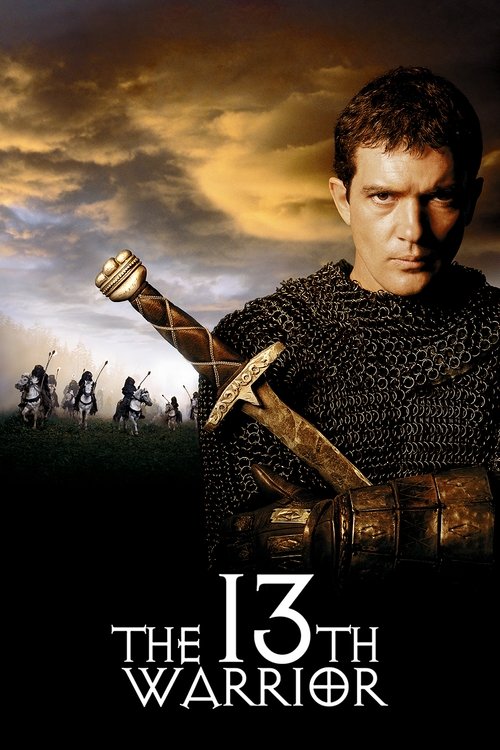
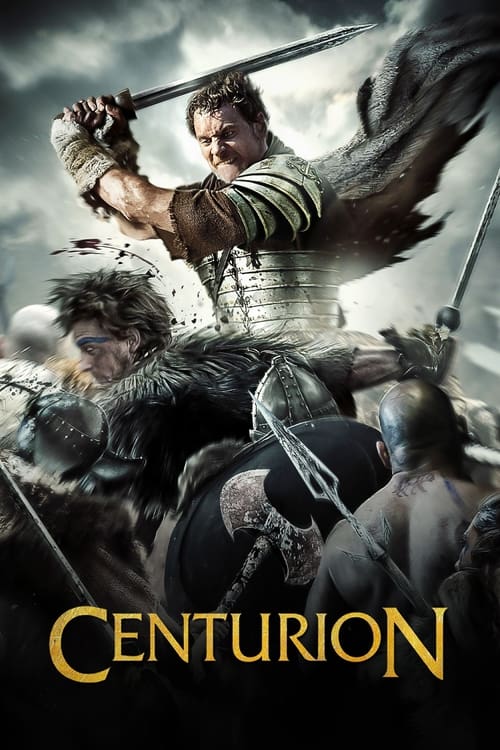
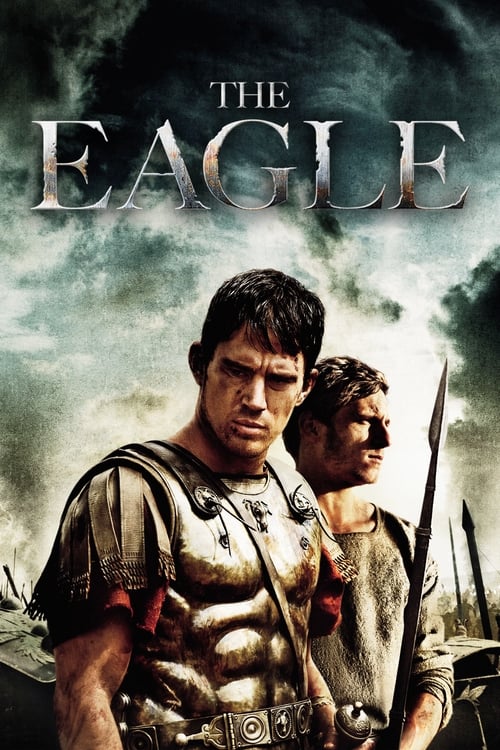
More historical adventures to explore
It follows Arn Magnusson, a Swedish nobleman separated from his love Cecilia and sent to the Holy Land as a Knight Templar during the Crusades, while political intrigue unfolds in medieval Sweden.
Yes. It is adapted from Jan Guillou's bestselling Arn trilogy, one of the most popular historical fiction series in Scandinavia.
The Swedish theatrical version runs approximately 139 minutes (2 hours 19 minutes).
Yes. Arn: The Kingdom at Road's End (Arn: Riket vid vägens slut) was released in 2008 and continues the story.
It was a Nordic co-production filmed across Sweden and other European locations, with large-scale medieval and Crusades-era sequences.
Joakim Nätterqvist stars as Arn Magnusson. Sofia Helin plays Cecilia, and Stellan Skarsgård plays Birger Brosa.
Availability varies by region. Check MovieLinks for current streaming and purchase options.