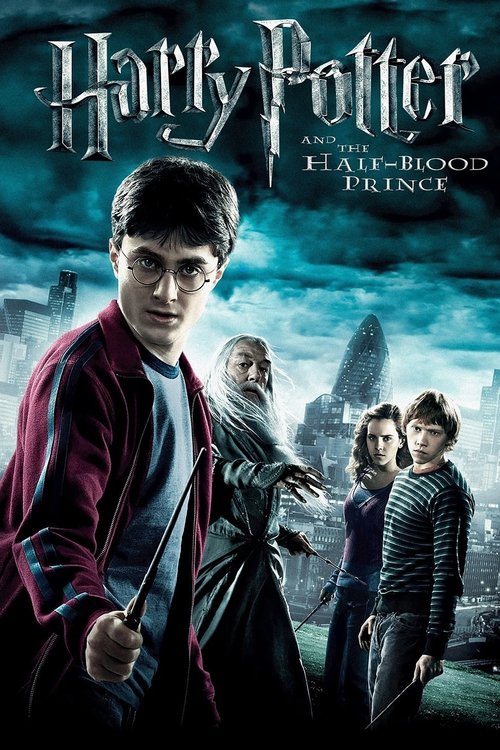
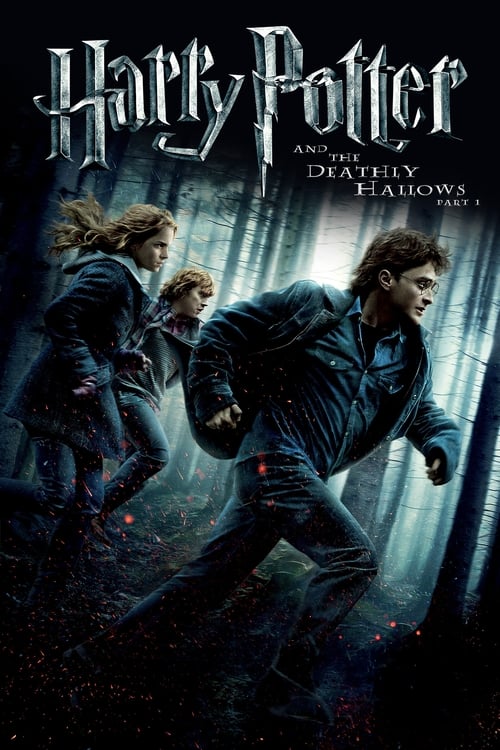
A casting triumph
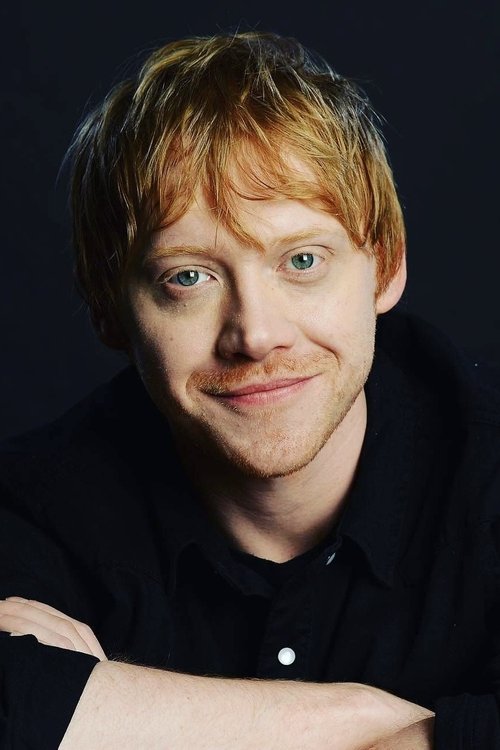
Radcliffe, Grint, and Watson were plucked from open auditions and became one of the most recognizable young ensembles in film history.
MovieLinks Film Guide
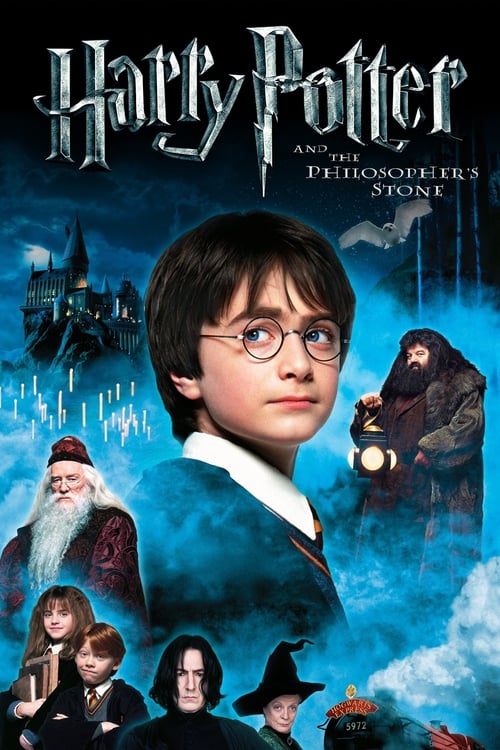
Harry Potter and the Sorcerer's Stone

The film that brought Hogwarts to the screen and launched a global phenomenon
Harry Potter and the Philosopher's Stone is the 2001 fantasy adventure that translated J.K. Rowling's beloved novel into a blockbuster film and launched one of the highest-grossing franchises in cinema history. On his eleventh birthday, Harry Potter learns he is a wizard and leaves his cruel aunt and uncle for Hogwarts School of Witchcraft and Wizardry. There he befriends Ron Weasley and Hermione Granger, discovers a gift for Quidditch, and uncovers a mystery tied to the dark wizard who killed his parents.
Twenty years of sequels, spin-offs, and theme parks can make the original feel inevitable — but in 2001, translating Rowling's world to the screen was one of the biggest gambles in modern Hollywood.
Harry Potter and the Philosopher's Stone arrived under impossible pressure. Millions of readers already knew exactly how Hogwarts should look, sound, and feel. Chris Columbus responded with a film that prioritized wonder over darkness — a choice that aged better than critics expected. Diagon Alley, the Great Hall, and the first Hogwarts Express journey remain template-setting sequences for fantasy cinema.
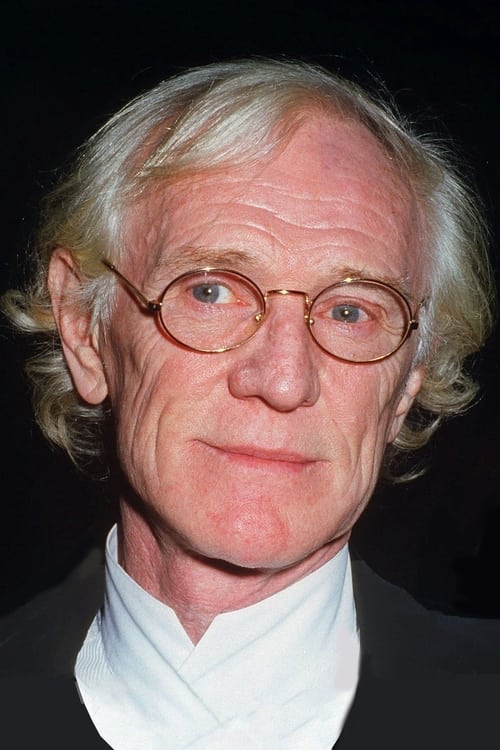
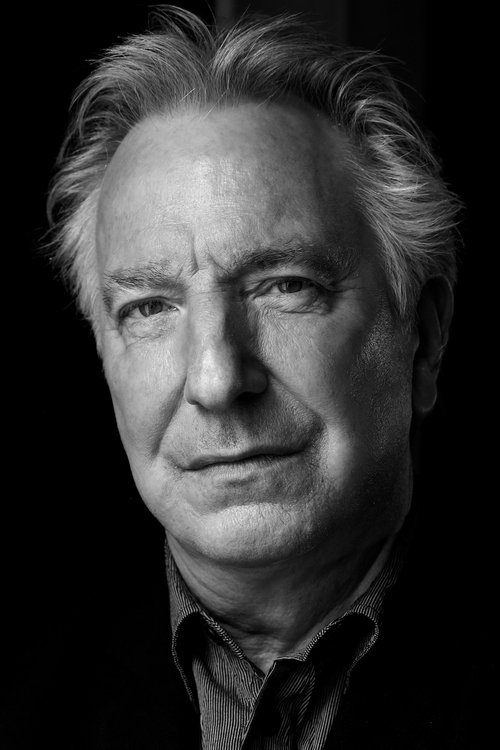
The casting gamble paid off on every level. Daniel Radcliffe, Rupert Grint, and Emma Watson were unknowns who grew into their roles across eight films, but even here their chemistry is unmistakable. Richard Harris's Dumbledore, Alan Rickman's Snape, and Robbie Coltrane's Hagrid give the adult world gravity, while John Williams's score — anchored by "Hedwig's Theme" — became instantly iconic.
Seen today, the film is deliberately faithful to its source material, sometimes to a fault. That fidelity is also its strength: for viewers discovering the series for the first time, Philosopher's Stone is still the perfect entry point — a complete adventure with a clear beginning, middle, and end, and the promise of a much larger story waiting beyond the credits.
It did not just launch a franchise — it convinced an entire generation that magic could look real on a cinema screen.
Radcliffe, Grint, and Watson were plucked from open auditions and became one of the most recognizable young ensembles in film history.
The score won a Grammy nomination and gave the franchise a musical identity that every sequel built upon.
Hogwarts, Diagon Alley, and the Great Hall became the visual blueprint for a decade of fantasy filmmaking.
With nearly $1 billion worldwide on release, it proved that a faithful, family-friendly adaptation could sustain a multi-film saga.
From Privet Drive to the stone that grants eternal life
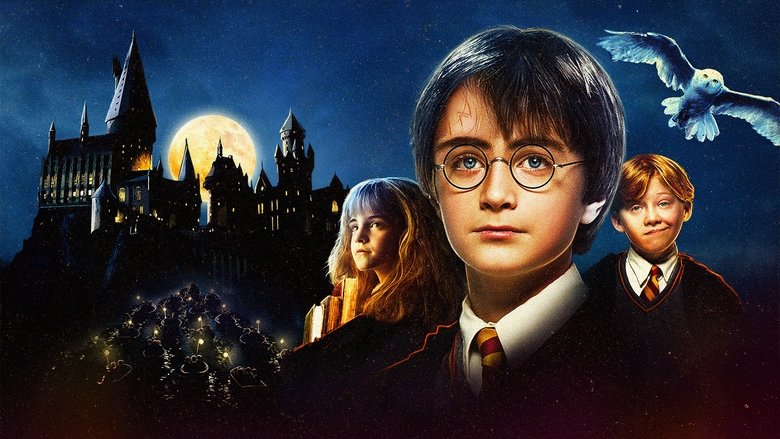
Harry Potter grows up unaware that he is one of the most famous wizards alive — until Hagrid kicks down the door on his eleventh birthday and reveals a world of owls, wands, and a scar that marks the night Lord Voldemort fell.
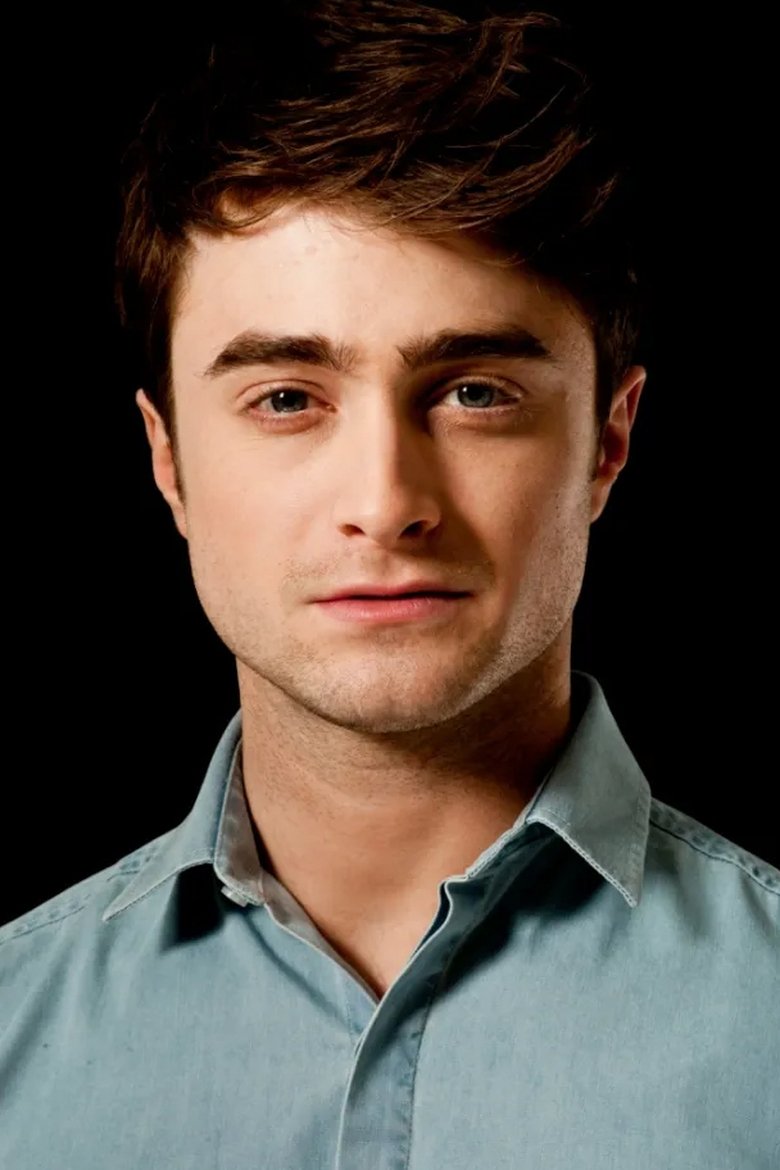
Sorted into Gryffindor, Harry finds his first real friends in Ron and Hermione, earns a place on the Quidditch team, and begins to understand why the wizarding world whispers his name — while Snape watches from the shadows.

A three-headed dog, enchanted chess, and a mirror that shows deepest desire stand between the trio and whoever wants the stone. Harry must reach the final chamber alone — and learn why Voldemort still hungers for what lies inside.
Main characters and performers
Released in the UK and most countries as Harry Potter and the Philosopher's Stone; the US version was retitled The Sorcerer's Stone.
Daniel Radcliffe, Rupert Grint, and Emma Watson were cast after nationwide auditions across Britain.
John Williams composed the score, including "Hedwig's Theme," which became the series' signature melody.
The Great Hall set was built at Leavesden Studios and reused throughout the franchise.
Richard Harris played Dumbledore in the first two films before Michael Gambon took over after Harris's death.
The film earned over $974 million worldwide, making it the highest-grossing film of 2001.
Find streaming options, trailers, and related titles on MovieLinks.
Open on MovieLinks
More fantasy adventures to explore
They are the same film. The UK and international release uses J.K. Rowling's original title, Philosopher's Stone. Warner Bros. retitled it The Sorcerer's Stone for the US market.
The theatrical cut runs approximately 152 minutes.
Yes. It adapts the first novel in J.K. Rowling's Harry Potter series, published in 1997.
Chris Columbus directed Harry Potter and the Philosopher's Stone, as well as the second film, Chamber of Secrets.
Daniel Radcliffe plays Harry Potter, Rupert Grint plays Ron Weasley, and Emma Watson plays Hermione Granger.
It is rated PG in the United States and PG in the UK, suitable for most children with parental guidance.
Availability varies by region. Check MovieLinks for current streaming options, trailers, and related titles.